
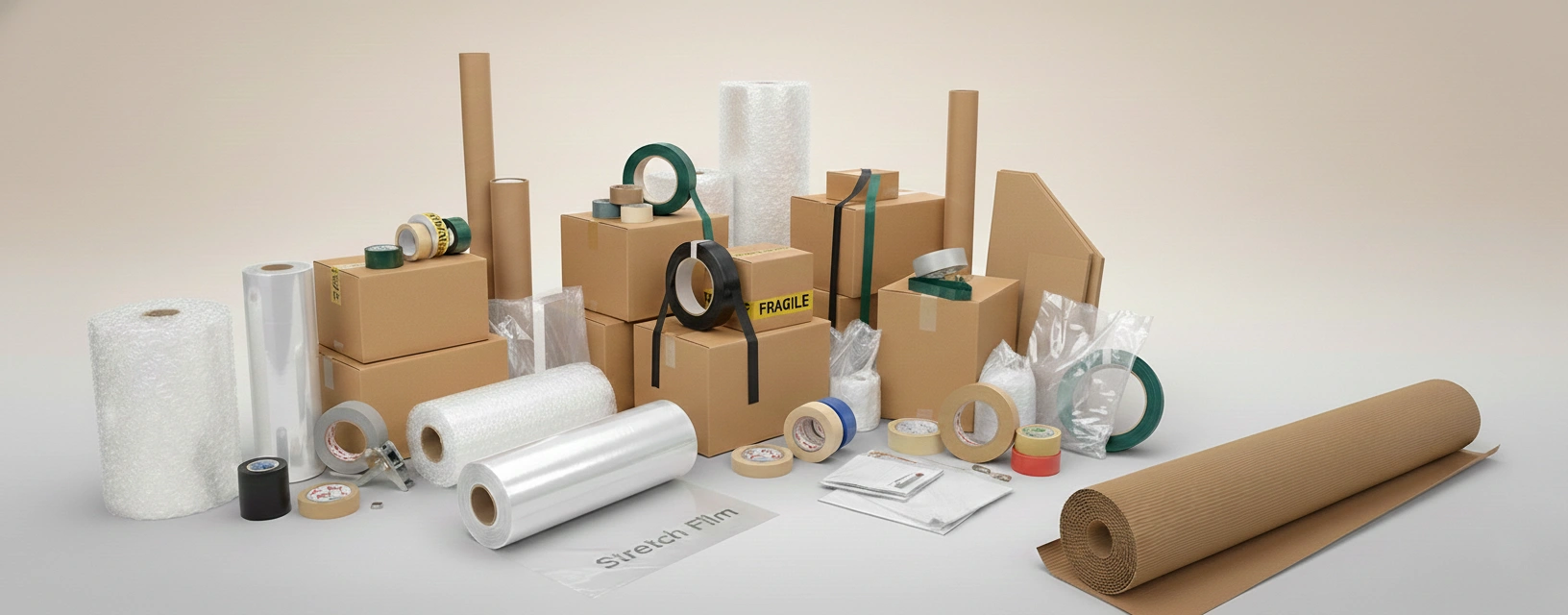
How to Make Primarily paperboard or corrugated fiberboard
Paperboard and corrugated fiberboard are widely used in packaging due to their strength, versatility, and eco-friendly nature. These materials are primarily made from paper fibers and are designed to protect products during storage and transportation. Below is a step-by-step overview of how they are manufactured.
1. Raw Material Preparation
The primary raw material used is wood pulp, which comes from:
- Virgin wood fibers (softwood and hardwood)
- Recycled paper and cardboard
The wood is chipped into small pieces and processed to extract cellulose fibers. For recycled materials, paper waste is cleaned, sorted, and pulped.
2. Pulping Process
The wood chips or recycled paper are mixed with water and sometimes chemicals to break them down into pulp.
This process removes impurities such as ink, glue, and dirt, leaving clean paper fibers.
3. Sheet Formation
The pulp is spread onto a moving mesh screen where water drains away, allowing fibers to bond together naturally.
This forms a continuous wet paper sheet.
- For paperboard, the sheet is pressed and dried to a thicker, rigid form.
- For corrugated fiberboard, additional steps are involved.
4. Corrugation Process (For Corrugated Fiberboard)
Corrugated fiberboard consists of:
- Linerboard (flat outer layers)
- Medium (the fluted or wavy inner layer)
The medium paper is passed through heated corrugating rollers to create flutes.
Adhesive (usually starch-based glue) is applied, and linerboards are bonded to one or both sides of the fluted medium.
This structure provides strength, cushioning, and durability.
5. Drying and Cutting
Once bonded, the board is heated to dry the adhesive and strengthen the structure.
The material is then cut, trimmed, and shaped into sheets, rolls, or boxes based on customer requirements.
6. Printing and Finishing (Optional)
Depending on usage, paperboard and corrugated boards may undergo:
- Printing (logos, labels, instructions)
- Coating for moisture resistance
- Die-cutting and folding for carton boxes
7. Quality Control and Packaging
Finished boards are inspected for thickness, strength, and consistency.
They are then stacked, packed, and prepared for delivery to manufacturers, warehouses, or end users.
Why Paperboard and Corrugated Fiberboard Are Preferred
Ideal for cartons, boxes, rolls, and protective packaging
Lightweight yet strong
Cost-effective packaging solution
100% recyclable and eco-friendly